Open-plan living has been the default ambition for home renovations for the better part of two decades, and for good reason. Knocking through tight, separate rooms into a single connected space can transform how a house feels to live in. But the open-plan kitchen-diner-living room that works beautifully is rarely an accident. The good ones are quietly designed; the disappointing ones are simply emptied of walls and left to fend for themselves.
Zones, Not One Big Room
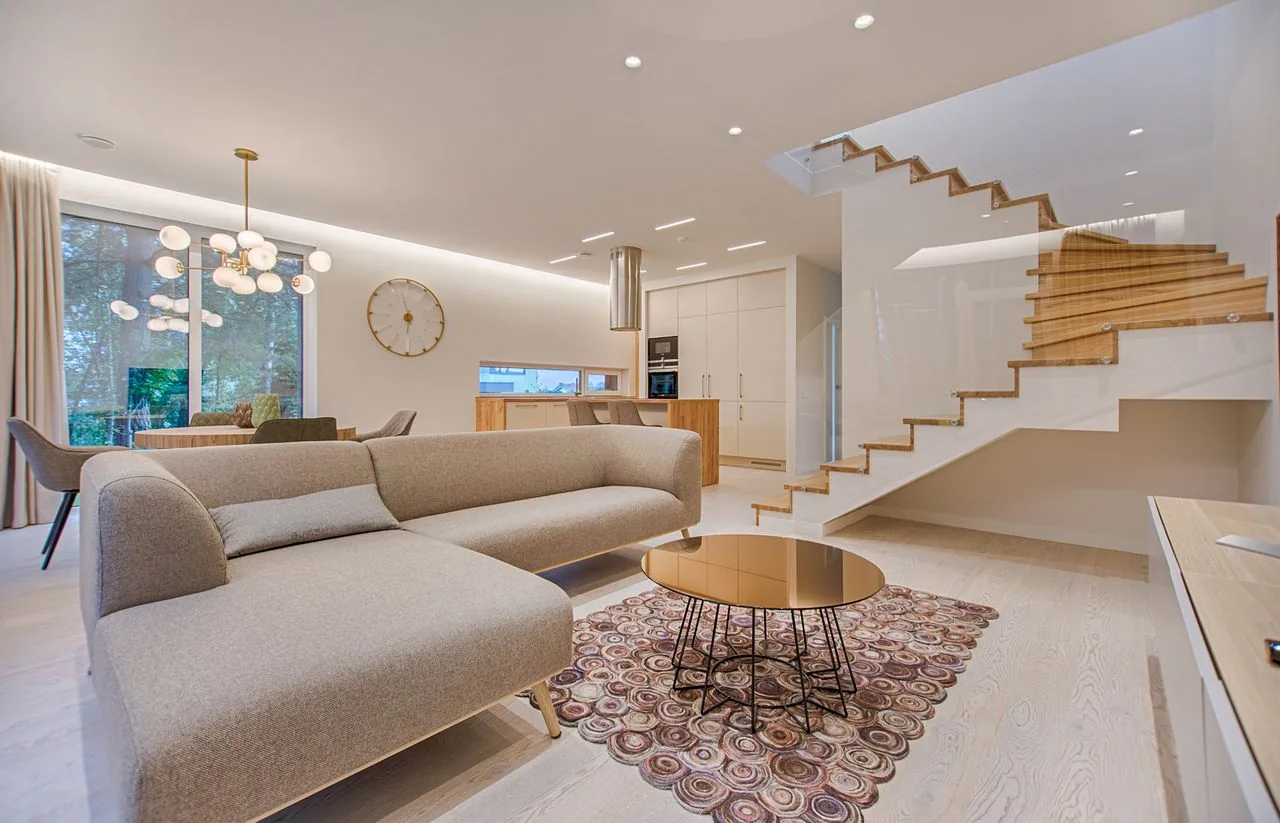
The mistake people make is thinking open-plan means one undifferentiated space. In practice the best layouts read as three or four loosely defined zones that flow into each other without hard boundaries. A change in floor level, a shift in flooring material, a low run of shelving, a pendant light hung deliberately over a table — these are the cues that tell you where the cooking ends and the sitting begins. You feel the structure even when there are no walls to point at.
Protect the Sightlines
When you remove walls you also remove the things they hid. Suddenly the view from the sofa includes the sink, the bin and yesterday's washing-up. Thinking about sightlines early pays off enormously. Position the kitchen so the messy working face turns away from the living area, or use an island to create a clean front. Decide what you want to see from each seat in the room and design backwards from there. A glimpse of the garden is worth more than a glimpse of the extractor fan.
Noise, Light and Heat
Big connected spaces carry sound, and a hard-surfaced kitchen-diner can become exhausting at full volume. Rugs, soft furnishings, curtains and even acoustic-friendly ceiling details take the edge off. Light matters just as much: an open-plan space usually has more than one orientation, so it can feel bright at one end and gloomy at the other unless you plan glazing and artificial lighting in layers. And because there are fewer doors to close, heating a large volume efficiently deserves a proper conversation with your designer rather than an afterthought.
Done well, open-plan living gives a home a generosity that closed rooms never quite manage — somewhere the cook is still part of the conversation and the afternoon light reaches further than it used to. The trick is to treat all that openness as a design problem to be solved, not a feature that solves itself. Spend the time on zoning, sightlines and comfort, and the space rewards you every single day.