Ask anyone what they love about a room and the answer almost always comes back to light. We talk about a space being bright, airy, warm or welcoming, and what we usually mean is that the daylight does something pleasant in it. Yet natural light is one of the most underplanned elements in home design. It is treated as a given rather than a material to be shaped, when in fact it is the cheapest luxury a house can offer.
Start With Orientation
Before any glazing decisions, understand how the sun moves around the building. South-facing rooms get generous light for much of the day and can overheat in summer. East-facing rooms catch the soft morning sun, ideal for kitchens and breakfast spaces. West-facing rooms glow in the evening, which is lovely in a sitting room and miserable in a home office with a screen. North light is steady and cool, beloved of artists and increasingly of anyone who works from home. Matching rooms to the light they receive is free and makes an enormous difference.
Glazing With Intent
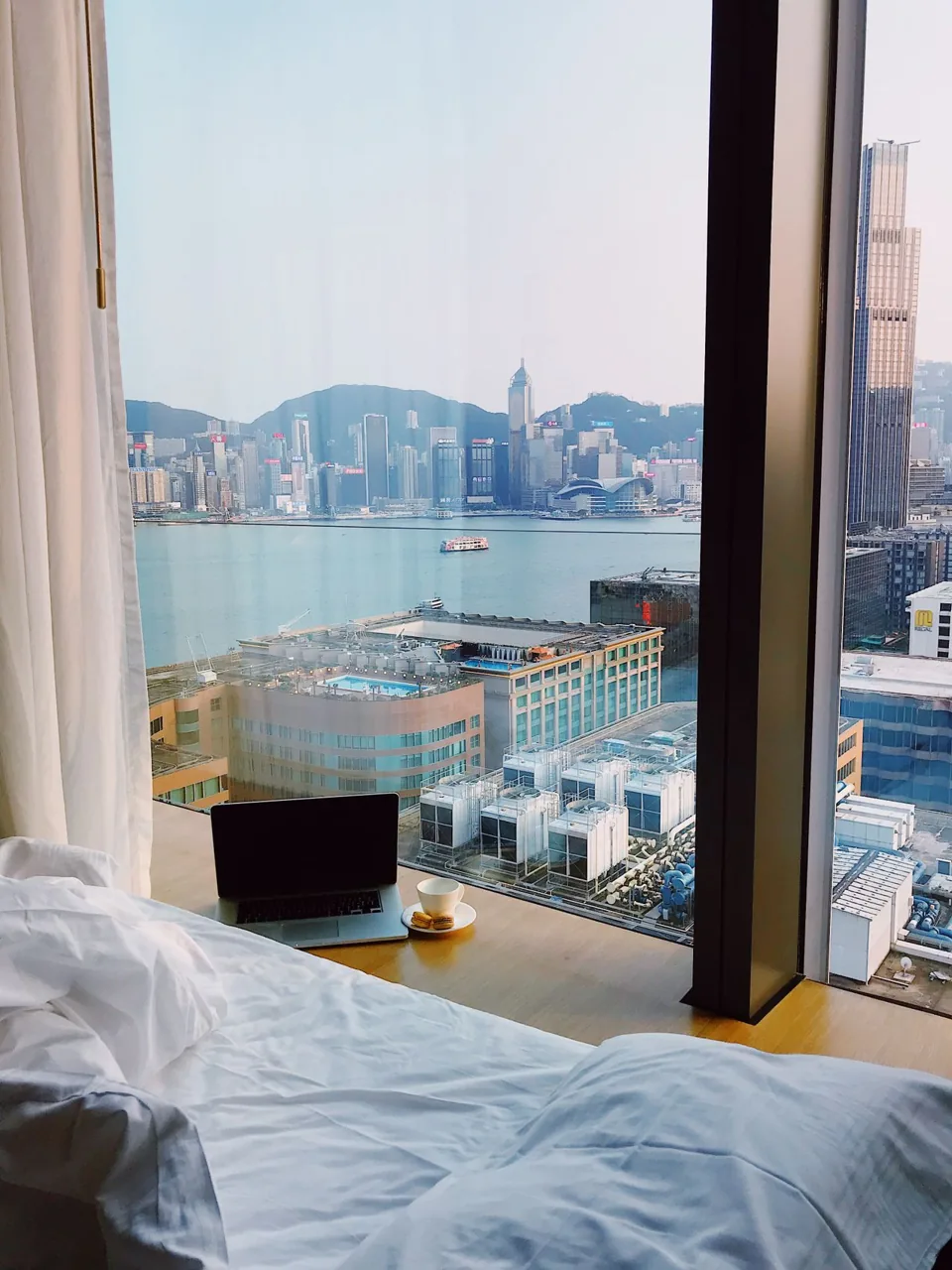
More glass is not automatically more light. A single well-placed rooflight can out-perform a whole wall of north-facing windows, because overhead light penetrates deeper into a room. Tall, narrow windows throw light further than short, wide ones. Glazing on two sides of a room kills the harsh contrast that makes a single window feel gloomy by comparison. Think about where the light needs to land — a dim corner, a stair, a worktop — and place the opening to serve it rather than simply filling the wall.
Let the Room Pass It On
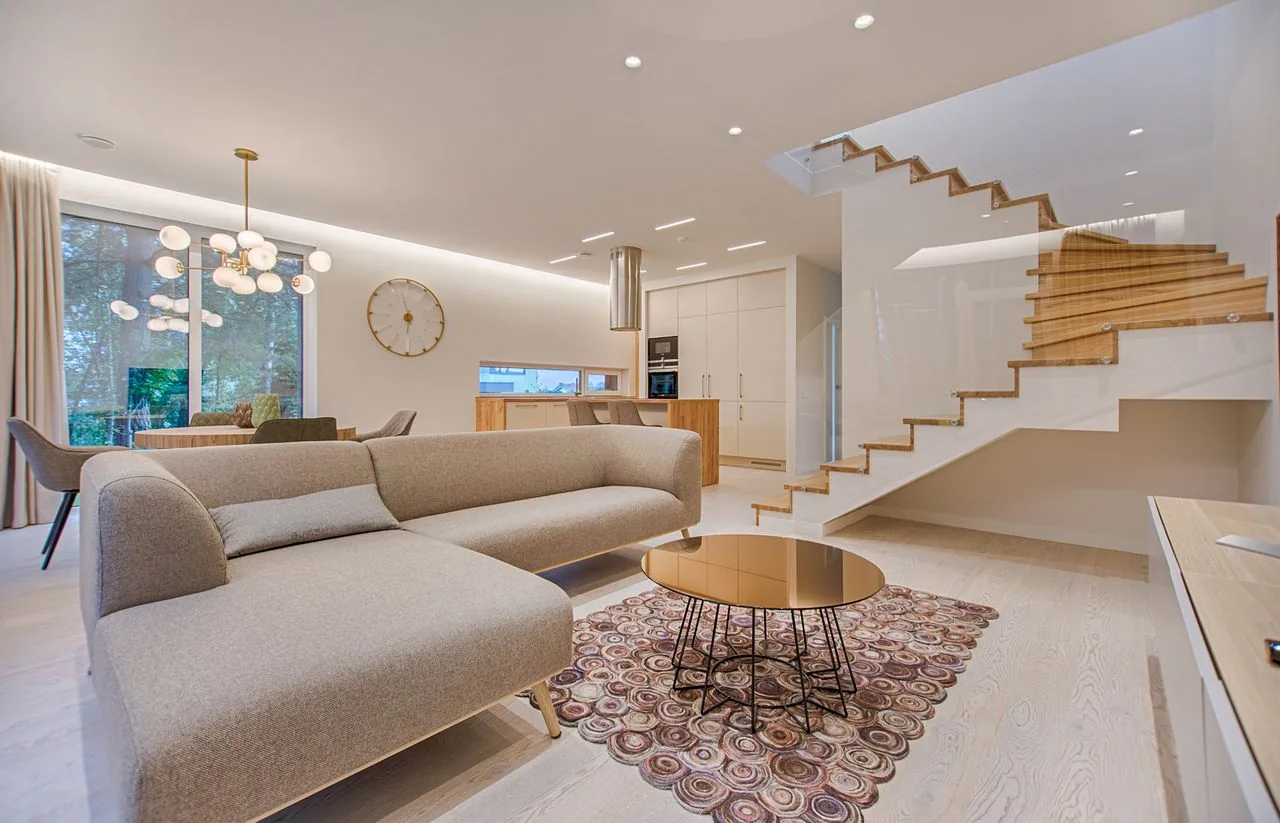
Once daylight is in the room, the surfaces decide what happens next. Pale walls, light floors and a few well-placed mirrors bounce light deeper inside and even out the gloomy spots. Glossy finishes reflect; matte finishes absorb. A glazed internal door or a borrowed-light panel can carry daylight from a bright room into a windowless hallway. These are small, inexpensive moves that compound, and they are far easier to build in at design stage than to retrofit later.
A home designed around natural light needs fewer lamps switched on, feels larger than its floor area suggests, and simply lifts your mood. It costs little beyond a bit of forethought, which is exactly why it is worth insisting on from the very first sketch.