Of all the ways to add space to a home, the loft conversion is frequently the smartest. The structure is already there, you are not eating into the garden, and a well-executed conversion turns dead storage into a bedroom, study or bathroom that lifts the value of the whole house. But not every loft is a good candidate, and the difference between a cramped, awkward conversion and a genuinely lovely room comes down to a handful of early decisions.
Start With Headroom
The first question is whether there is enough height to work with. As a rough guide you want at least 2.2 to 2.4 metres from the floor joists to the ridge before conversion, because flooring and insulation will eat into that. The shape of your roof matters too: a traditional cut roof with timber rafters is far easier and cheaper to convert than a modern trussed roof, which needs structural reworking. Spend half an hour in your loft with a tape measure before you spend anything else, because this single measurement shapes the whole project.
Choosing the Right Type
Loft conversions come in a few broad flavours. A rooflight conversion simply adds windows into the existing slope and is the cheapest where headroom allows. A dormer pushes a box out from the roof to create full-height space and is the workhorse of most projects. A hip-to-gable extends the sloping side into a vertical wall, useful on semis and ends of terraces. And a mansard rebuilds the roof entirely for maximum space, at maximum cost. The right choice depends on your roof, your budget and what the local authority will accept.
Don't Forget the Stair
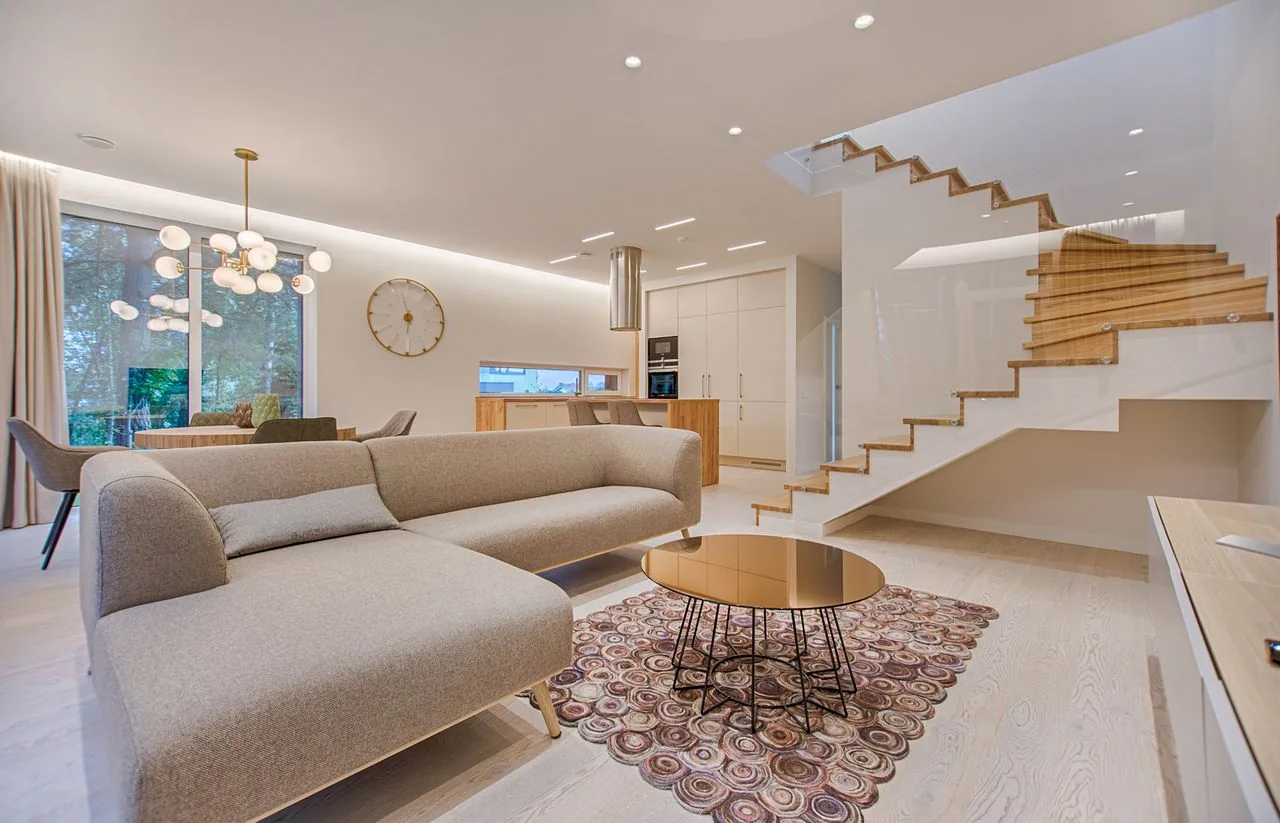
The stair is the part of a loft conversion that people underestimate, and it can make or break the result. It has to land somewhere sensible on the floor below without stealing a bedroom or blocking light, and it has to meet building regulations for headroom and fire escape. A well-placed stair feels like it was always meant to be there; a badly placed one announces that the loft was an afterthought every time you climb it. Sort it early, with your designer, not as a problem to solve at the end.
Get the fundamentals right — headroom, conversion type, stair and plenty of natural light — and a loft conversion delivers some of the best-value, most pleasant space in the entire house. It is, quite literally, making the most of what you already own.