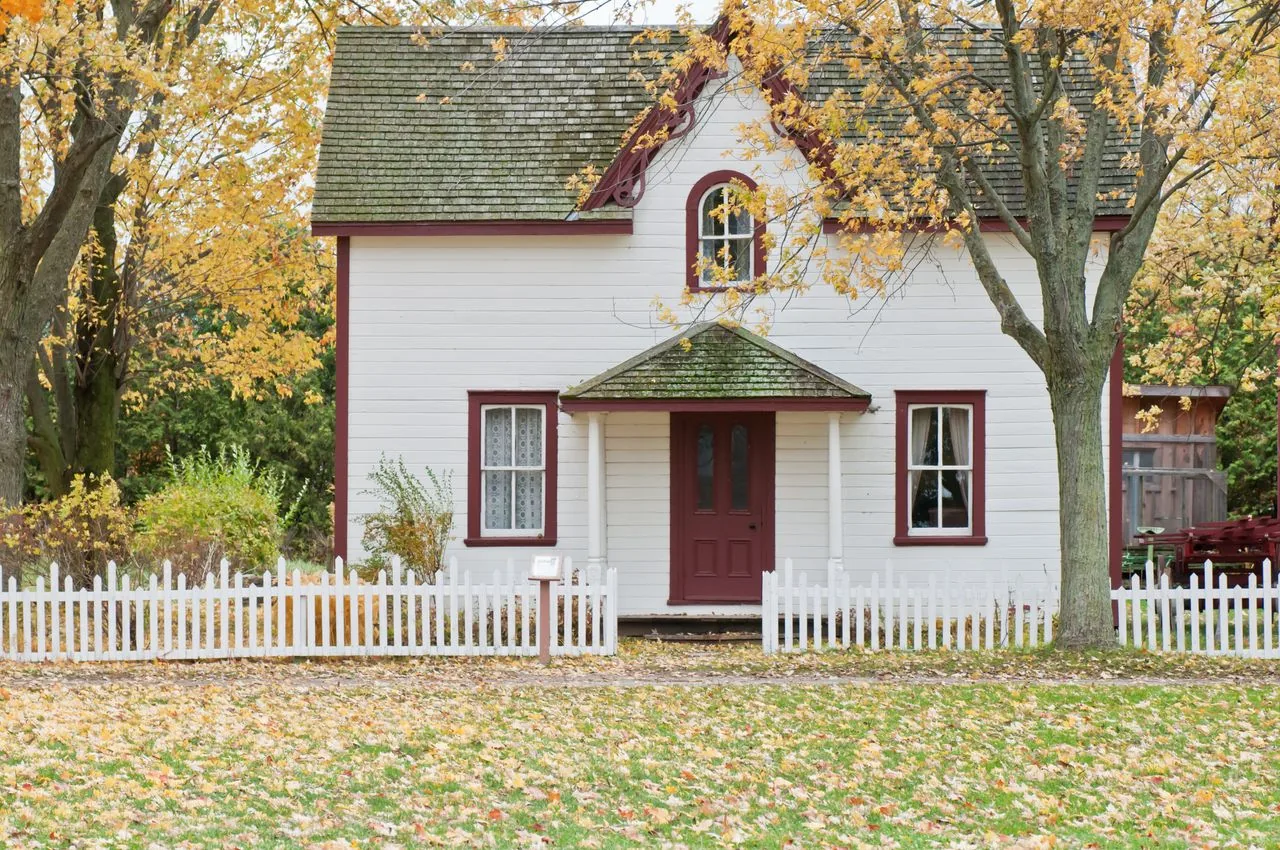
There is a particular pleasure in bringing an old house back to life, and a particular set of pitfalls in doing it badly. Period properties were built using methods and materials we have largely forgotten, and they behave differently from modern homes. Restoring one sympathetically means understanding that logic before you touch anything, then working with the building rather than imposing a modern idea of perfection on it. Patience is the most important tool in the box.
Repair Before You Replace
The instinct in modern renovation is to rip out and start again. With period buildings the better instinct is almost always to repair. Original windows can usually be draught-proofed and overhauled to last another century rather than being swapped for plastic units that flatten a façade. Old timber can be spliced and treated. Lime mortar can be raked out and repointed. Every original element you keep is a piece of the building's character that cannot be bought back once it is in a skip. The cost difference is often smaller than people fear, especially over the long life of the work.
Let the Building Breathe
The single most common mistake is sealing an old house up with modern materials. Cement renders, gypsum plasters, plastic paints and impermeable membranes trap moisture that solid walls were designed to release. The result is damp, rot and slow decay, usually blamed on the old building when the real culprit is the modern intervention. Lime plasters, breathable paints and natural insulation keep the fabric healthy. Understanding this principle of moisture movement is the difference between a restoration that lasts and one that quietly destroys what it set out to save.
Know When to Stop
Sympathetic restoration also means resisting the urge to over-restore. A few worn flagstones, a slightly wonky wall, a patina of age — these are the things that make an old house feel like an old house. Sand and seal and straighten everything and you end up with a strange new building wearing a period costume. The aim is a home that is sound, comfortable and quietly improved, not one scrubbed of every trace of its history.
Approached with care, a period property restoration gives back far more than it asks. You end up as the temporary custodian of something that was here long before you and will, if you do it right, outlast you too. That is a responsibility worth taking slowly and getting right.